
One Habit That Will Change Your Life Forever
Learn about how habits can change your life in the book 7 Habits of Highly Effective People. Steven Covey discusses habits, but in my humble opinion, he missed the most important one.
HEALTHPERSONAL DEVELOPMENT
Jeff, founder of My Mate Jeff, has over 40 years of experience in building businesses, investing, and mentoring. His articles blend research and personal experience to clarify complex topics like finance, health, relationships, and personal development, enabling readers to make confident decisions. Every article is written with one goal: to help readers understand important life topics, from finance and health to relationships and personal development, so that they can make better decisions with confidence
1/4/20265 min read
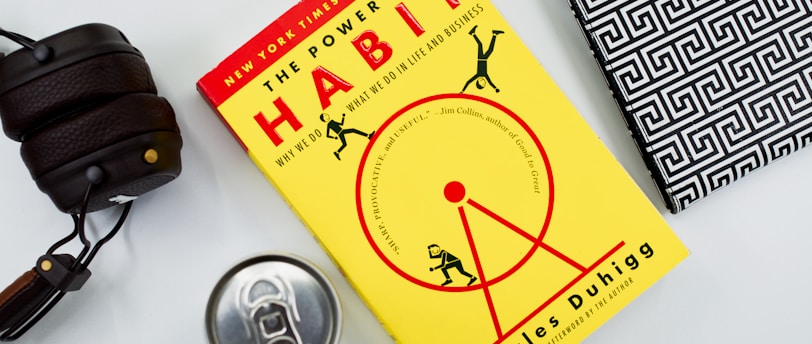
One Habit That Will Change Your Life: Going to Bed Early
7 Habits of Highly Effective People
7 Habits of Highly Effective People by Steven Covey was one of the first and most influential books I read. It made me look at my habits and those of others. However, one crucial habit not covered is getting enough sleep. As we will discuss in this blog, the one habit that changed my life was getting enough sleep.
If you could change just one habit and see improvements across your health, decision-making, safety, relationships, and long-term success, it wouldn’t be a complicated productivity system or an extreme lifestyle overhaul.
It would be something far simpler.
Going to bed early.
Going to bed early is frequently overlooked because it doesn’t look impressive or seem cool. It doesn’t feel dramatic. There’s no flashy transformation photo or viral “hack.” But quietly, consistently, and powerfully, going to bed early reshapes your life from the inside out.
When people are tired, they often make poor decisions.
Most regrets are born late at night.
Most preventable mistakes happen when judgment is impaired by fatigue, alcohol, or both.
Let’s talk about why going to bed early is one of the most life-changing habits you can adopt and why it affects far more than just your energy levels.
Tired Minds Make Bad Decisions
When you’re tired, your brain does not work the same way. Sleep deprivation reduces activity in the prefrontal cortex, the part of the brain responsible for judgment, impulse control, emotional regulation, and long-term thinking. At the same time, it increases activity in emotional and reactive areas of the brain.
In simple terms:
You feel more impulsive.
You think less about consequences.
You overestimate short-term pleasure.
You underestimate the long-term cost.
That’s why so many poor decisions happen late at night.
The tired brain says:
“One more drink won’t hurt.”
“I’ll just send the message.”
“I can drive, I’m fine.”
“I deserve this takeaway.”
“I’ll deal with it tomorrow.”
And in the moment, it feels reasonable.
In the morning, it rarely does.
Late Nights Invite Regret
There’s a pattern many people recognise but rarely question:
Late nights often lead to behaviour you wouldn’t choose in daylight.
Overeating and Drinking
When you’re tired, your body craves quick energy and comfort, resulting in:
Overeating.
Junk food cravings.
Late-night snacking.
Alcohol consumption.
These behaviours are rarely planned. They happen because tired people reach for easy relief. And while one late night isn’t a disaster, repeated patterns accumulate:
Weight gain.
Poor digestion.
Lower energy.
Disrupted sleep cycles.
Reduced mental clarity.
Ironically, staying up late often leads to worse sleep overall, even when you finally go to bed.
Saying Things You Later Regret
Fatigue lowers emotional filters.
Late at night:
You’re more reactive.
Less patient.
More emotionally charged.
Less capable of nuance.
Arguments escalate, texts get sent that shouldn’t, and comments are made that don’t reflect your actual values. Many damaged relationships have a familiar origin story:
“It was late. I was tired. I didn’t mean it.”
Going to bed early quietly removes you from situations where regret thrives.
Fatigue and Dangerous Mistakes
Some late-night mistakes aren’t just embarrassing or unhealthy; they’re dangerous.
Driving While Tired Is Not Harmless
Driving while tired can be as dangerous as driving under the influence of alcohol. Reaction times slow, attention wanders, and microsleeps can occur without warning. Many people would never knowingly drive drunk yet routinely drive while exhausted, assuming they’re “okay.” They often aren’t. Fatigue impairs:
Judgment.
Coordination.
Awareness.
Decision-making speed.
Choosing an early bedtime is not just a wellness habit. It’s a safety decision.
Alcohol and Late Nights
Late nights and alcohol often go hand in hand. The longer the night lasts, the easier it becomes to justify “one more.” The risks compound:
Poor decisions.
Increased likelihood of accidents.
Lower impulse control.
Reduced ability to recognise danger.
An early bedtime short-circuits this cycle before it begins.
Darkness Increases Risk
There is a simple reality many people ignore: Most muggings and violent incidents happen in the dark. This isn’t fear-mongering. It’s statistics. Late nights mean:
Empty streets.
Reduced visibility.
Fewer witnesses.
Slower response times.
When you choose to be home and asleep earlier, you are not being boring; you are reducing exposure to unnecessary risk. Going to bed early:
Keeps you off the streets at vulnerable hours.
Keeps you out of unpredictable environments.
Keeps you away from people and makes impulsive choices.
Safety is not about paranoia. It’s about probability.
The Quiet Power of Mornings
One of the most significant benefits of going to bed early is not what you avoid; it’s what you gain. Early sleep creates mornings that belong to you. When you wake up rested:
Your mind is clearer.
Your emotions are steadier.
Your patience is higher.
Your decision-making is stronger.
You are far more likely to:
Eat better.
Move your body.
Focus on meaningful work.
Respond rather than react.
Morning decisions shape your entire day. And morning quality is built the night before.
Discipline Is Easier When You’re Rested
People often blame a lack of discipline for their struggles, when the real issue is chronic exhaustion. It is challenging to:
Exercise.
Study.
Work consistently.
Control impulses.
Manage emotions.
When you are sleep-deprived.
Going to bed early makes discipline feel less like a battle and more like a default. You don’t need superhuman willpower when your brain is rested.
Late Nights Create a False Sense of Freedom
Many people resist early bedtimes because late nights feel like “me time.”
It feels like freedom after a long day of responsibilities. But ask yourself:
Is it truly restorative?.
Or is it borrowed time repaid in exhaustion?.
Staying up late often provides the illusion of control while quietly siphoning tomorrow’s energy, focus, and mood. True freedom isn’t squeezing entertainment out of exhaustion. True freedom is waking up with energy and clarity.
Going to Bed Early Is a Form of Self-Respect
Choosing an early bedtime is not about restriction. It’s about respect for your future self. It says:
“My health matters.”
“My judgment matters.”
“My safety matters.”
“My goals matter.”
Every night you choose rest, you are making a vote for the person you want to become. Not all self-improvement is loud. Some of the most powerful changes happen quietly, in the dark, with the lights off.
Common Objections and Honest Answers
“I’m not a morning person.”
You might not be a morning person because you’re tired. Sleep patterns are more flexible than people think.
“I get my best ideas at night.”
Creativity isn’t exclusive to exhaustion. Many people discover that their thinking becomes sharper, not duller, with proper rest.
“My life is busy.”
That’s precisely why sleep matters. Busy lives require clear judgment.
“Everyone else stays up late.”
Most people also complain about being tired, stressed, and unfocused. Popular habits are not always wise ones.
Small Changes That Make It Possible
You don’t need to go to bed at 9 p.m. suddenly.
Start small:
Move bedtime earlier by 15–30 minutes.
Reduce screen use before bed.
Create a consistent wind-down routine.
Treat sleep like an appointment, not an afterthought.
Consistency matters more than perfection.
How Long Does It Take To Form A Habit?
On average, it takes 21 days, or three weeks, to form or break a habit. Some people have the discipline to achieve this immediately or within a shorter timeframe.
Final Thoughts: Sleep Is a Moral Decision
That may sound dramatic, but it’s true. Sleep affects:
How you treat others.
How you treat yourself.
How safe are you?
How well do you think?
How wisely you choose.
When you’re rested, you are kinder, calmer, and more rational. When you’re exhausted, the world feels harsher, and you often become harsher too:
Going to bed early is not dull.
It is not weak.
It is not missing out.
It is choosing clarity over chaos.
Safety over risk.
Long-term growth over short-term impulse.
If you want one habit that quietly but profoundly improves your life, start with getting regular sleep. It sounds simple and obvious, and it is.
Experience: 40+ years in business, investing, and personal development.
See the blog on The Importance of Sleep.
For more blogs, visit the following category pages:
❓ Frequently Asked Questions
© 2025. All rights reserved.